Hotel Housekeeping & Room Cleaning Checklist Templates
Template Library > Hospitality Inspections > Hotel Housekeeping Checklist
Key to Impeccable Cleanliness: Hotel Housekeeping Checklists & Templates
A housekeeping supervisor checklist template will help you verify the work done by your staff. It can act as a guide for them to cover all the areas and don’t miss out on any cleaning tasks. Ultimately, it will help ensure your hotel is clean, well-maintained and guest-ready.
Using a hotel houseman duties checklist offers the following benefits:
- Provides consistent cleanliness across all hotel areas
- Increases efficiency by organizing daily cleaning tasks
- Simplifies supervision and quality control processes

With the GoAudits Hotel QA App, you can:
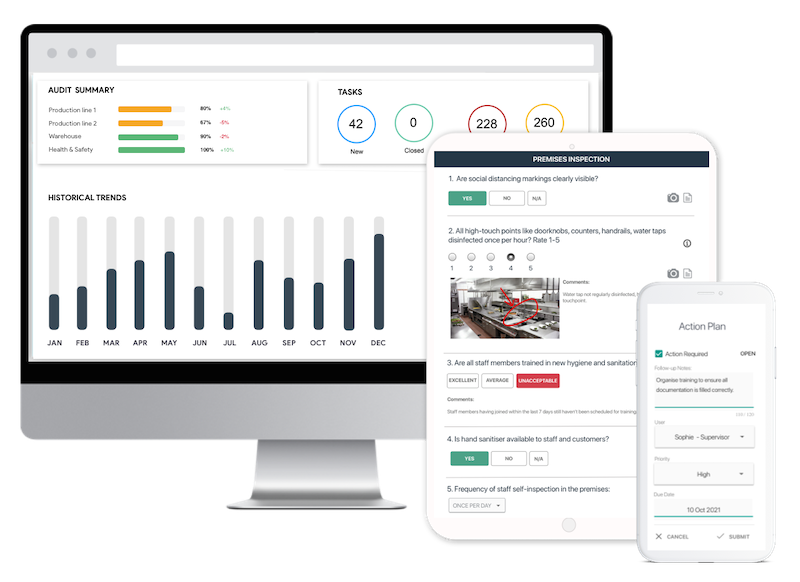
- Eliminate paperwork: conduct efficient digital audits, add photos from mobile device
- Customize this template or easily create your own
- Save time with instant reports & assign corrective actions
Rooms
Beds
Furniture
Closet
Bath
Rooms
Beds
Furniture
Closet
Bath
What is a Hotel Housekeeping Checklist Template?
A hotel housekeeping checklist template is a document used to ensure all cleaning tasks and duties are completed efficiently and consistently throughout the hotel. It outlines the specific tasks that need to be performed in various areas, such as guest rooms, bathrooms, public spaces, kitchen, and laundry rooms, confirming each area is cleaned and maintained per the required standards.
It serves as a tool for organizing duties, maintaining cleanliness, and helping supervisors ensure that rooms and public areas meet health, hygiene, guest service, and hotel standards. Additionally, a housekeeping room inspection checklist helps identify and report maintenance issues, seeing to it that problems are promptly addressed.
Why Should You Use a Hotel Cleaning Checklist Template?
Using a hotel housekeeping task list is crucial for achieving consistency, efficiency, and quality in housekeeping operations.
Having very clear and well-understood hotel SOPs is crucial. By standardizing housekeeping procedures, the checklist guarantees that every room and public area is cleaned to the same high standards, leaving no task overlooked. This helps maintain uniformity across the hotel, providing guests with a consistently clean and comfortable experience.
Checklists also streamline supervision and hotel quality control processes, making it easy for managers to verify completed tasks. With clear guidelines, staff know exactly what is expected of them, reducing errors and improving productivity.
Furthermore, housekeeping room attendant checklists in housekeeping are easy to update, allowing for flexibility when new standards (like Forbes or LQA standards) or tasks arise, ensuring that the cleaning process stays aligned with the hotel’s evolving needs.

What Areas Should be Covered in a Housekeeping Supervisor Checklist PDF?
A daily hotel housekeeping checklist should cover guest rooms (bedroom + bathroom), public areas, kitchen and food service, and laundry. Stayover and checkout rooms require different levels of cleaning within the same checklist.
The exact items included in a hotel housekeeping checklist would depend on the room that you want to clean. Not all rooms in your hotel require the same degree of cleaning and sanitation. The type of cleaning depends on the type of room:
- “Checkout” rooms require more time, attention, and a higher degree of sanitation as they have to be prepared for subsequent guests. Therefore, the hotel housekeeping room cleaning checklist would include tasks like replacing sheets, towels, bathrobes, and all courtesy kits.
- “Stayover” rooms require relatively less time as you are not required to clean every nook and corner.
Here are the important tasks that should be included in a housekeeping room inspection checklist:
Bedroom
For stayover rooms, you need to make the bed, clean the furniture, and mop the floor. Whereas, for checkout rooms, housekeepers must remove the bedsheets, and the room has to be completely cleaned.
Here are the steps that should be included in a guest room cleaning checklist:
- Strip the bed of used linens (sheets, pillowcases, etc.).
- Remove used towels and any other items left by the guest (trash, newspapers, toiletries).
- Dust all surfaces, including furniture, lamps, picture frames, mirrors, and shelves.
- Disinfect high-touch surfaces like door handles, light switches, remote controls, telephones, and thermostats.
- Vacuum carpeted floors. Sweep and mop any hard flooring.
- Put fresh linens on the bed. Arrange pillows and covers neatly.
- Replace missing or used items such as coffee supplies, water bottles, notepads, pens, etc.
- Verify everything in the room is functioning properly (lights, TV, plumbing, etc.). Report any issues if needed.
- Do a final walk-through to ensure the room looks clean, neat, and ready for the next guest. Adjust details like curtains and decor to make the room welcoming.
Guest Room Inspection Checklist: Here’s a free guest room cleaning checklist to help you get started.
Bathroom
Here is a hotel room housekeeping checklist template specifically related to cleaning a bathroom in a guest room:
- Remove used towels, bathmats, and robes. Collect any personal items left behind by the guest. Dispose of used toiletries and bathroom trash.
- Use a glass cleaner to wipe down mirrors and glass surfaces like shower doors. Ensure no streaks are left behind.
- Scrub and disinfect the sink basin, faucet, and countertop. Remove water stains and polish fixtures.
- Disinfect the shower walls, floor, and bathtub surfaces. Remove soap scum, mildew, and any dirt. Clean the showerhead and faucet, and polish chrome fixtures.
- Sanitize and wipe down high-touch surfaces like towel racks, light switches, and handles.
- Provide fresh towels, hand towels, washcloths, and bathmats. Refill any other bathroom supplies, such as toilet paper, tissues, and shower caps.
- Sweep the bathroom floor to remove any dust or debris. Mop the floor with disinfectant, paying attention to corners and edges.
👉 Hotel Bathroom Cleaning Checklist: Explore each step involved in cleaning bathrooms in detail.

Besides cleaning rooms, hotel housekeeping also includes cleaning other areas of the property.
Public Areas
Public areas in a hotel are the first spaces guests encounter, so keeping them clean and well-maintained is essential for making a good impression. These high-traffic areas require regular cleaning and attention so that they are tidy, welcoming, and free of hotel safety hazards.
- Sweep, Mop, and Vacuum Floors: Sweep and mop hard surface floors, and vacuum carpets and rugs. Ensure there are no stains, debris, or dust.
- Dust Surfaces: Dust all surfaces including furniture, window ledges, and decorative items. Clean high surfaces like light fixtures, signs, or frames.
- Polish Glass and Mirrors: Wipe down and polish windows, doors, mirrors, and any other glass surfaces.
- Clean Entrance Doors: Clean and disinfect all entrance doors, handles, and push plates. Polish metal parts if needed.
- Clean and Sanitize High-Touch Areas: Disinfect high-traffic areas such as handrails, elevator buttons, light switches, door handles, and telephones.
- Elevator Cleaning: Sweep, mop, or vacuum elevator floors. Wipe down and disinfect elevator panels, buttons, and mirrors.
- Restock Amenities: Restock any brochures, pamphlets, or magazines in lobby areas. Ensure public restrooms are fully stocked with toilet paper, soap, and paper towels.
👉 Guest Experience in Communal Areas: Here’s a free checklist to help you achieve high cleanliness standards in common areas.
Kitchen and Food Service Areas
Maintaining cleanliness in the kitchen and food service areas is crucial for ensuring food safety and preventing contamination. Regular cleaning and sanitizing of these areas not only help comply with health regulations but also create a safe environment for food preparation and service.
- Scrub stovetops, grills, fryers, ovens, and ranges after each use. Wipe down all stainless steel surfaces.
- Sanitize all food prep areas and counters with disinfectant.
- Sweep and mop kitchen floors using disinfectant to prevent grease buildup.
- Clean and disinfect kitchen sinks, faucets, and drains.
- Wipe down and sanitize equipment such as refrigerators, freezers, microwaves, and food processors.
- Remove trash and replace liners multiple times daily. Disinfect trash bins regularly.
- Inspect all kitchen appliances for proper functioning, and schedule maintenance or repairs as needed.
👉 Hotel Kitchen Cleaning Checklist: Use this checklist to ensure the kitchen in your hotel meets the food safety best practices.
Laundry Management
A well-organized and regularly cleaned laundry room ensures that staff can efficiently handle the hotel’s laundry needs while keeping equipment in optimal condition. A daily hotel cleaning checklist should include the following daily tasks for a clean, safe, and efficient laundry area.
- Sort dirty linens and towels by type and degree of soiling.
- Empty and clean lint filters from dryers after each cycle.
- Wipe down and disinfect laundry carts and bins used to transport linens.
- Disinfect folding tables and work surfaces after each load.
- Sweep and mop the laundry room floor, ensuring no lint, dust, or detergent residue is left behind.
- Keep track of laundry detergents, softeners, and cleaning supplies.
How Long Should It Take to Clean a Hotel Room?
A hotel room cleaning takes 20–45 minutes on average, depending on room type, cleaning type, and property standard. Checkout cleans for a standard double room take 25–30 minutes at most mid-scale properties; suites and luxury rooms run 45–60 minutes. Stayover cleans average 10–20 minutes.
The American Hotel & Lodging Association’s industry benchmarks put room attendants at 13–16 rooms per 8-hour shift for full checkout turnovers, which works out to roughly 30 minutes per room, including travel between rooms, cart restocking, and breaks. Boutique luxury and full-service hotels usually budget 12 rooms per shift to allow for detail work; limited-service properties may target 16–18.
Essential Cleaning Supplies Checklist for Hotels
Apart from a housekeeping checklist template for hotels, you need a well-stocked housekeeping trolley to ensure all cleaning steps are followed to the last T. Here’s a comprehensive list of cleaning products that you must include in your hotel room cleaning checklist template:
- Vacuum cleaner
- Mop and bucket
- Cleaning cloth
- Antibacterial products
- Microfibre cloths
- Laundry detergents
- Disposable gloves
- Broom and dustpan
👉 5S in Good Housekeeping: Learn how to apply 5S principles in hotel housekeeping.
How Often Should Each Housekeeping Task Be Done?
Hotel housekeeping tasks fall into four frequency tiers: daily, weekly, monthly, and quarterly. Daily tasks keep rooms guest-ready between turnovers; weekly, monthly, and quarterly tasks protect long-term asset condition and air quality.
A clear cleaning frequency schedule prevents two common failure modes: missing high-impact deep cleans (which guests notice over time) and over-cleaning items that don’t need daily attention (which wastes labor hours). The cadence below is the standard used across mid-scale and upscale properties.
Daily tasks: performed on every checkout and stayover:
- Make beds and replace linens on checkouts
- Clean and disinfect all bathroom surfaces
- Vacuum carpets and mop hard floors
- Empty trash and replace liners
- Restock guest amenities and minibar items
- Sanitize high-touch surfaces: handles, switches, remotes, thermostats, phones
- Check appliance and electronics function
Weekly tasks: performed on a rotating schedule so every room is covered each week:
- Wipe baseboards and door frames
- Spot-clean walls for marks and scuffs
- Polish wood furniture
- Clean inside drawers and the closet interior
- Descale showerheads and faucets
- Dust HVAC and bathroom vents
- Wash decorative pillows and bed runners
Monthly tasks: usually scheduled during low-occupancy windows:
- Rotate mattresses to ensure even wear
- Deep-clean carpets in low-traffic rooms
- Wash curtains and sheers
- Clean behind and under heavy furniture
- Sanitize minibar and refrigerator interiors
- Inspect and clean grout lines
Quarterly tasks: full deep cleans that require rooms to be taken out of inventory:
- Shampoo all carpets and treat stains
- Flip mattresses if the type allows
- Deep-clean HVAC vents and replace filters
- Professionally clean upholstery and soft furnishings
- Inspect and re-grout bathroom tile as needed
- Deep-clean balconies, patios, and exterior windows
Hotels should also schedule annual tasks: mattress and pillow replacement assessments, paint touch-ups, and detailed inspection of less-accessible areas. Assign each frequency tier to specific roles: daily tasks belong to room attendants, weekly and monthly tasks to housepersons or dedicated cleaners, and quarterly deep cleans to a rotating room schedule managed by the executive housekeeper.
Checkout vs Stayover Cleaning: What’s the Difference?
Checkout cleaning prepares a room for a new guest and requires a full reset; stayover cleaning maintains a currently occupied room and focuses on refreshing rather than replacing. Confusing the two leads to wasted labor on stayover rooms and rushed turnovers on checkouts.
Checkout cleaning takes 25–45 minutes per room and includes a full linen and towel replacement, complete restock of all amenities, full bathroom disinfection, dusting of every surface, sanitization of all high-touch points, thorough vacuuming, a damage check, removal of any forgotten guest items, and a reset of thermostat and electronics to default settings.
Stayover cleaning takes 10–20 minutes per room and is intentionally lighter. The bed is made with the existing linens unless the guest has requested a change. Only towels left on the floor are replaced (per most hotel policies: the towel-reuse cue should be set during checkout prep). Amenities are topped up rather than fully restocked. The bathroom gets a wipe-down of sink, toilet, and mirrors with a towel refresh. Surfaces get a light dusting and a quick vacuum of visible debris. High-touch surfaces are still sanitized; this step is non-negotiable on both cleaning types.
The biggest difference is how the attendant treats the guest’s belongings. On a checkout, the room is empty, and everything moves. On a stayover, personal items stay exactly where the guest left them: clothing on a chair stays on the chair, items on the desk stay arranged as found. A stayover that “tidies” guest belongings is a guest complaint waiting to happen.
Train attendants to identify room status from the property management system before entering: a stayover should never be deep-cleaned by mistake, and a checkout should never be cleaned to a stayover standard.
How to Perform Cleaning Checks Using a Hotel Housekeeper Duties Checklist?
To effectively perform cleaning checks using a housekeeping checklist format for a hotel, begin by assigning cleaning tasks to the appropriate staff members based on their specific roles and responsibilities. It is essential to train the staff on how to use the checklist, including how to mark off completed tasks and report any issues or problems that arise.
The housekeeping duties checklist should be used daily to ensure everything is completed according to the schedule, with each staff member checking off tasks as they are completed. A housekeeping supervisor or manager should verify if all the cleaning activities have been completed by reviewing the checklist and inspecting key areas to ensure nothing has been missed.
If any maintenance issues or problems are discovered during the cleaning process, they should be reported to the relevant department immediately for swift resolution.
Lastly, you should regularly review the hotel housekeeping form to ensure that it remains relevant to the hotel’s needs, keeping it aligned with the latest cleaning standards and requirements. Explore our complete guide on hotel housekeeping management to learn how to structure your team and the best practices to keep in mind.
👉 Create Your Own Cleaning Supplies Checklist: Sign up for a 14-day free trial to build a digital hotel housekeeping cleaning list from scratch.
FAQs
What is the standard order for cleaning a hotel room?
The standard order is top-down and dry-to-wet: ventilate the room, strip linens and trash, dust from high to low, clean the bathroom (dry surfaces first, then wet), make the bed, vacuum, then do a final walkthrough.
How often should hotel rooms be deep-cleaned?
Hotel rooms should be deep-cleaned every three to six months for standard rooms and quarterly for high-occupancy suites.
What is the difference between cleaning and sanitizing a hotel room?
Cleaning removes visible dirt and debris from surfaces; sanitizing reduces bacteria and pathogens to safe levels using an EPA-registered disinfectant with a specified dwell time.
How many rooms can a hotel housekeeper clean in a day?
A hotel housekeeper cleans 13–16 standard checkout rooms in an 8-hour shift on average, which works out to roughly 30 minutes per room, including cart restocking and breaks. Limited-service properties may target 16–18 rooms per shift; full-service and luxury properties typically budget 10–13 rooms to allow for detail work and amenity setup. Suites and accessible rooms count as 1.5–2 standard rooms for scheduling purposes.
What are the seven standards for cleaning a hotel room?
The seven commonly cited standards are: cleanliness (no visible dirt), hygiene (sanitized high-touch surfaces), order (everything in its correct place), comfort (temperature, lighting, bedding ready), safety (no hazards, working smoke detectors), maintenance (all fixtures functional), and presentation (folded towels, arranged amenities, welcoming first impression).
Do stayover rooms need a checklist?
Yes, stayover rooms need their own checklist; a shorter one focused on refreshing the room without disturbing the guest’s belongings.
How can hotels make housekeeping more sustainable?
Hotels can make housekeeping more sustainable by switching to concentrated and eco-certified cleaning chemicals, running opt-in towel and linen reuse programs for stayovers, replacing single-use amenities with refillable dispensers, using microfibre cloths instead of disposable wipes, and scheduling laundry to maximize machine load efficiency.
Other Popular Hotel Checklists:

Digitize your Property inspections
- Easily perform audits anywhere in the property using a mobile device.
- Attach photos to document issues or prove compliance
- Assign tasks, set deadlines and track progress - all within a single app
- Analyze data from audits to identify trends, pinpoint recurring issues, and assess compliance levels.