

Gym, Spa, and Fitness Center Inspection Checklists: Cleaning & Maintenance
Improve operational standards, safety and maintenance with our free templates for pool and spa inspections, gym inspections and more
Gym and Fitness Center Checklists for Cleanliness and Maintenance
📃: Eliminate paperwork with digital checklists
⏳: Save time in inspection
📈: Generate actionable insights
Gym and fitness center inspection checklists help businesses evaluate areas that directly impact the customer experience and the bottom line. Typically, these include equipment functionality, cleanliness, structural integrity, and staff preparedness, which help maintain a safe and welcoming environment for members.
With comprehensive gym inspection checklists, you can:
- Prevent injuries from faulty equipment or facility issues.
- Extend equipment lifespan and minimize downtime.
- Address facility issues before they impact members’ experience.

Template Library > Fitness Facilities, Pools & Spa
Download Top Gym, Fitness Center, Spa, and Pool Inspection Checklists

NEW! Try generating a custom checklist with our free AI tool:
Easy Start with Digital Checklists
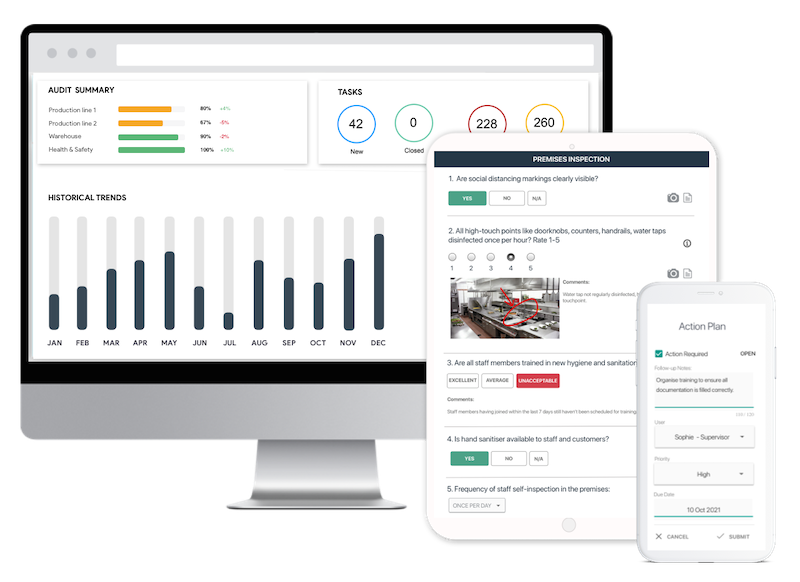
- Capture photos as proof of compliance or areas needing attention
- Instantly generate and share detailed reports after the inspections
- Assign follow-up tasks and track completion on a centralized dashboard


What are Gym or Fitness Center Inspection Checklists?
A gym or fitness center inspection checklist is a structured tool designed to help facility managers and staff systematically evaluate their establishment’s safety, cleanliness, and functionality. These checklists encompass various aspects of gym operations, including equipment maintenance, facility hygiene, emergency preparedness, and overall member safety.
Why Should Gyms Use Inspection Checklist Templates?
Utilizing gym checklist templates is essential for maintaining a safe, efficient, and welcoming environment in fitness centers.
Key Benefits of Using Gym Maintenance Checklist Templates
- Enhanced Safety: Regular use of checklists helps identify potential hazards, such as malfunctioning equipment or slippery floors, allowing for prompt corrective actions to prevent accidents.
- Operational Efficiency: Structured gym checklist templates streamline daily routines, ensuring that tasks like equipment inspections and facility cleaning are systematically performed, reducing the likelihood of oversights.
- Regulatory Compliance: Using standardized gym health and safety checklists assists owners in meeting safety regulations, thereby avoiding potential legal issues and ensuring a safe environment for members.
- Improved Member Satisfaction: A well-maintained facility reflects a gym’s commitment to its members’ well-being, nurturing trust and encouraging member retention.
- Consistent Staff Training: Gym inspection checklists serve as training tools for new employees, clearly outlining their responsibilities and ensuring consistency in facility upkeep.
👉 Case Study: How 10 Fitness leverages GoAudits to streamline audits and inspections at their facilities.
Global Standards for Gym and Fitness Centers
To operate a world-class facility, your internal audits should align with global benchmarks for safety, service, and operations. Our templates are designed to help you meet the rigorous requirements of the industry’s leading bodies:
IHRSA (Health & Fitness Association) Standards
The IHRSA 2021 Operational Standards are considered the “Gold Standard” for club management. These standards focus on four pillars: Safety, Staffing, Signage, and Sanitation.
- Why it matters: Aligning with IHRSA ensures your facility reduces liability and meets the professional expectations of high-end members.
- The Goal: Achieving a 100% score on our IHRSA-aligned audit means your club is operating at the peak of international best practices.
CIMSPA & UKActive (UK & Europe)
For operators in the UK and Europe, CIMSPA (Chartered Institute for the Management of Sport and Physical Activity) and ukactive set the benchmarks for professional excellence and health-focused facility management.
- Why it matters: These standards are often used as the basis for national health inspections and local authority compliance.
- The Goal: Regular use of these checklists ensures your staff are trained to recognized professional levels and that your “Code of Practice” is always up to date.
ISPA (International Spa Association) Benchmarks
Spa and wellness centers operate under a different risk profile involving heat, humidity, and hygiene. The ISPA standards focus heavily on the “Cleanliness and Safety” pillar.
- Why it matters: Spa members pay a premium for hygiene. Failing an ISPA-aligned check on water quality or linen sanitation can lead to immediate brand damage.
- The Goal: To achieve “Total Quality Assurance.” Implementing ISPA-aligned checklists ensures your facility moves beyond basic local health codes to meet international expectations for guest privacy, therapist professionalism, and advanced chemical safety.
Health and Safety Compliance for Gyms: Key Requirements
Health and safety compliance for gyms means meeting the legal and operational requirements that protect members, staff, and the business from harm and liability. The specific obligations vary by country and region, but most frameworks share a common structure across five areas.
Equipment Maintenance Documentation
Gym operators are required in most jurisdictions to maintain written records of equipment inspections, servicing, and repairs. This documentation is the primary evidence of due diligence if a member is injured on faulty equipment. A gym maintenance safety program is the baseline requirement regulators expect to see. Without it, a gym faces significant legal exposure regardless of how well the equipment is actually maintained day-to-day.
Staff Training and Certification
Gym health and safety obligations extend to all staff, not just fitness trainers. Floor staff must be trained in equipment safety, emergency response, and first aid. Many jurisdictions require documented proof of valid CPR and AED certifications as part of facility licensing. Keeping training records current is part of any credible gym audit.
Emergency Equipment
Commercial gyms are generally required to have AEDs (Automated External Defibrillators) on-site with clearly visible signage indicating their location. Fire extinguishers, first aid kits, and unobstructed emergency exits are standard requirements across all major compliance frameworks. These items must be checked on a regular schedule and documented.
Facility Standards and Accessibility
Gym health and safety regulations typically specify minimum floor space per member, adequate ventilation standards, non-slip surfaces in wet areas, and accessibility requirements. In the US, this means ADA compliance; in the UK, relevant BS and HSE standards apply. These are checked during formal facility inspections by local authorities.
Hygiene and Sanitation
A fitness center operations assessment conducted by a local health authority will inspect cleanliness standards across all areas: workout floors, locker rooms, restroom sanitation, and water quality in pool and spa areas. The availability of sanitising stations for members is also evaluated. Operators who run regular internal gym audits against these criteria are far less likely to fail an external inspection than those who rely on ad-hoc cleaning routines.
Essential Gym Inspection Checklists
Maintaining a safe and hygienic environment in fitness centers is paramount for the well-being of both members and staff. Implementing comprehensive gym checklist templates ensures that all facility areas are regularly evaluated and maintained. Below are essential gym inspection checklists to consider:
Fitness Facility Cleaning Checklist Template
A clean facility not only enhances member experience but also reduces the risk of infections. Key tasks in a commercial gym cleaning checklist include:
- Ensure all floors are dry and free from debris.
- Sanitize high-touch surfaces, including equipment handles and benches.
- Clean and restock locker rooms and restrooms with necessary supplies.
- Empty all trash bins and ensure proper waste disposal.
- Maintain cleanliness in common areas such as lobbies and hallways.
Gym Equipment Safety Inspection & Maintenance Checklist Templates
Proper maintenance of gym equipment ensures longevity and user safety. Essential steps in a fitness equipment maintenance checklist include:
- Inspect all hardware for wear and tear.
- Check cables for fraying or other damage.
- Lubricate all moving parts as per manufacturer guidelines.
- Test equipment to ensure proper functionality.
- Replace any damaged or worn-out parts promptly.
Gym Equipment Safety Inspections: What to Check
Gym equipment safety inspections check every machine for structural integrity, mechanical function, and user safety before problems cause injuries or downtime. In a commercial fitness facility, equipment takes significantly more daily load than domestic equivalents — wear develops faster, and a missed inspection has direct consequences for member safety and operator liability.
- Cardio equipment: Power on each unit and verify the console, emergency stop, and safety lanyards are functional. Flag any error codes or unusual noise before opening.
- Strength machines: Check cables for fraying or wire breaks, confirm selector pins and locking mechanisms work, and inspect pads for tears or exposed foam.
- Free weights and benches: Confirm dumbbells are racked in order and free from damage. Inspect barbell collars, J-hooks, and bench welds for structural integrity.
- Documentation: Log the date, inspector name, and condition rating for every piece of equipment. Tag and photograph any machine removed from service, then raise a maintenance work order before the facility opens.
Consistent gym equipment inspection records demonstrate due diligence to insurers and regulators — and provide the paper trail needed if a member injury claim arises. GoAudits’ Equipment Inspection Checklist for Gyms covers all of the above in a single 55-question digital template that generates a signed, timestamped report after every inspection.
👉 Gym Cleaning Checklist Template PDF: Use this checklist to maintain hygiene standards in all workout areas, sanitizing equipment, mats, locker rooms, etc.
👉 Gym Equipment Checklist: Inspect equipment at your fitness center for safety, functionality, and optimal performance using our free fitness center equipment checklist.
Gym Hazards Checklist
Identifying and addressing potential hazards proactively can prevent accidents. Focus areas include:
- Identify and remove any tripping or slipping hazards on floors.
- Ensure all emergency exits are unobstructed and clearly marked.
- Verify that fire extinguishers are accessible and within service dates.
- Check for any visible damage to walls, ceilings, or windows.
- Confirm that stairways and handrails are secure and in good condition.
Gymnasium Safety Checklist
Ensuring safety in gymnasiums involves regular checks and adherence to established guidelines. Key considerations in a fitness center safety inspection checklist include:
- Ensure sufficient space between machines to allow safe movement.
- Confirm that equipment instructions are clearly displayed.
- Verify that all machines are in good working order.
- Ensure cleaning and inspection records are up to date.
- Confirm that emergency exits and fire doors are clear of obstructions.
Gym Risk Assessment Checklist Form Template
Conducting regular gym risk assessments helps in identifying potential threats and implementing measures to mitigate them. Important steps include:
- Conduct regular inspections of all gym areas for potential hazards.
- Evaluate the condition and safety of all equipment.
- Review and update emergency response plans periodically.
- Ensure all staff are trained in safety protocols and emergency procedures.
- Maintain accurate records of all incidents and corrective actions taken.
Gym Pool Maintenance: Keeping Water Safe and Compliant
Gym pool maintenance covers water chemistry, filtration, physical safety, and facility hygiene. For fitness centres with swimming pools, hydrotherapy pools, or hot tubs, water quality is a health compliance issue as much as it is a member experience factor. A failed water quality check during a local authority inspection can result in immediate closure.
Use GoAudits’ Legionella Checks, Pool Maintenance Checklist, and Pool Compliance Checklist together to cover both the routine chemistry records and the formal compliance documentation.
👉 Gym Safety Checklist: Use this template for monthly gym inspections, including fire safety, team safety, security, gym equipment, documentation, and more.
Daily Gym Checks: Opening and Closing Walkthroughs
A daily gym check is a structured walkthrough carried out before the facility opens and again at closing. It is not the same as a formal monthly gym safety inspection or a full gym audit — it is a quick, systematic pass through every area of the facility to catch issues before members encounter them. Done consistently, daily gym checks prevent the small problems that compound into complaints, injuries, and costly repairs.
Pre-opening Gym Check (15–20 Minutes)
- Walk every zone: gym floor, free weights area, cardio deck, functional training area, locker rooms, restrooms, pool or spa area, if applicable
- Power on all cardio machines and verify no error codes or fault lights are showing
- Check floors in wet areas and entrances for standing water or slip hazards
- Confirm AED units are in place, charged, and accessible
- Verify all emergency exits are clear and fire extinguishers are visible and within service date
- Restock cleaning stations with sanitising spray and paper towels
Closing Gym Checks
- Inspect all equipment for visible damage that may have occurred during the session
- Ensure all free weights are racked correctly, and no equipment is left mid-floor
- Lock off and tag any machine showing damage or mechanical issues discovered during the day
- Check locker rooms and restrooms are clean and stocked for the following morning
- Confirm all external doors and windows are secured
A digital daily gym check template timestamps every submission, flags missed items, and stores signed records automatically. GoAudits’ Daily Inspection Gym and Weekly Inspection Checklist provide facilities with a complete opening and closing fitness inspection routine in a single app.
Spa Cleanliness, Maintenance, and Safety Inspection Checklists
Regular spa inspections are crucial in fitness centers for safety, hygiene, and overall well-being. These inspections help identify potential hazards, maintain equipment functionality, and adhere to health regulations, thereby enhancing the user experience and preventing accidents or health issues.
Spa Cleaning Checklists
Maintaining a clean spa environment is essential to prevent the spread of infections and provide a relaxing atmosphere for members. Key tasks include:
- Sanitize all surfaces, including treatment tables, counters, and floors, to eliminate bacteria and germs.
- Launder towels, robes, and linens after each use to ensure fresh and hygienic materials for clients.
- Clean and disinfect communal areas such as saunas, steam rooms, and hot tubs to maintain a sanitary environment.
- Empty and sanitize trash receptacles to prevent odor and contamination.
- Inspect and clean restroom facilities, ensuring they are stocked with necessary supplies.
Spa Maintenance Checklist
Regular maintenance of spa facilities and equipment is vital to ensure safety, functionality, and a high-quality experience for clients. Essential activities include:
- Regularly inspect and clean filters in pools, hot tubs, and HVAC systems to maintain air and water quality.
- Test and adjust water chemical levels to ensure they meet health and safety standards.
- Examine plumbing systems for leaks or blockages, performing necessary repairs to prevent water damage.
- Inspect equipment for signs of wear or damage, addressing issues promptly to prevent accidents.
Ensure all safety equipment, such as fire extinguishers and first aid kits, is accessible and in good condition.
Spa Inspection and Spa Audit: What Operators Need to Know
A spa inspection is a systematic check of a spa or wellness facility’s hygiene, equipment functionality, safety systems, and compliance with applicable health regulations. A spa audit goes further, and evaluates performance against a defined standard (such as ISPA benchmarks or a national health code) and produces a scored report suitable for management review or external submission.
For operators running combined gym and spa facilities, these are distinct processes with different scopes and frequencies.
What a Spa Inspection Covers
A routine spa inspection should check:
- Treatment rooms: surfaces, massage tables, linen freshness, product storage, ventilation, and temperature controls
- Wet areas: sauna temperature and humidity, steam room tiling and drainage, hot tub chemical levels, and anti-slip surfaces
- Equipment: jet systems, heating units, UV sterilisers, and towel warmers for function and cleanliness
Staff hygiene: glove usage, handwashing stations, therapist uniform standards, and treatment documentation - Consumables: sufficient supply of clean linen, single-use items, and client PPE where applicable
What a Spa Audit Adds
A spa audit applies a scoring framework to the inspection findings. This makes it possible to track standards over time, benchmark multiple sites, and identify systemic issues rather than one-off failures. For operators seeking ISPA certification or preparing for a local authority inspection, a formal spa audit provides the evidence trail that a routine inspection walkthrough does not.
Recommended Frequency
A daily spa check should cover wet area hygiene, equipment function, and chemical levels. A formal spa inspection should run weekly. A full spa audit — scored against ISPA standards or your internal service framework — should be conducted monthly and documented for management records.
GoAudits’ Sauna Checklist and Steam Room Checks are the core templates for routine spa and wet area inspections. For a full gym and spa maintenance audit, the Gym Daily Maintenance Checklist covers both facility types in a single workflow.
👉 Inspections App for Gym and Fitness Clubs: Discover how GoAudits helps gym owners achieve standardized inspections across multiple locations.
Gym and Fitness Facility Maintenance Schedule
A gym facility maintenance schedule is a structured plan that assigns specific inspection, cleaning, and servicing tasks to defined intervals: daily, weekly, monthly, quarterly, and annually. Without a written schedule, gym building maintenance becomes reactive: staff fixes problems after members have already encountered them, equipment fails during peak hours, and compliance gaps go undocumented.
A complete fitness facility maintenance programme covers three asset categories: fitness equipment, building systems (HVAC, plumbing, electrics, lighting), and communal areas (locker rooms, restrooms, pool and spa zones, car parks).
- Daily: Inspect equipment for damage or error codes, check floors for slip hazards, sanitise surfaces and restock cleaning stations, verify AED units and emergency exits are clear.
- Weekly: Deep-clean all equipment and free weight areas, inspect cables and bolts for wear, scrub locker rooms and drains, test pool chemical levels, and close out open maintenance work orders.
- Monthly: Service treadmills, bikes, and ellipticals per manufacturer guidelines, clean HVAC filters, inspect fire extinguishers and first aid kits, and conduct a full gym safety inspection with a signed record.
- Quarterly/Annual: Arrange professional machine servicing, inspect building structure and emergency systems, update the emergency response plan and staff training records, and conduct a formal fitness center operations assessment.
Sports Facility Maintenance and Safety Checklists
Sports facility maintenance covers a broader scope than a single gym floor. Leisure facilities that include courts, studios, pools, outdoor areas, and multi-use sports halls require maintenance checks tailored to each zone.
A sports facility maintenance checklist typically spans six inspection areas:
- Indoor courts and studios: Inspect surfaces for cracks or uneven areas, check net posts and wall padding for wear, and verify that lighting and ventilation are adequate for the activity.
- Gym floor and equipment zones: Run the daily equipment safety check across cardio, strength, and free weight areas; inspect rubber matting for lifting edges and confirm equipment spacing meets safety clearances.
- Pool, spa, and wet leisure areas: Complete water chemistry checks and log results, inspect pool decks and entry points for slip hazards, and verify lifeguard stations and rescue equipment are in place.
- Changing rooms and communal areas: Inspect locker integrity and bench fixings, conduct a restroom sanitation check across surfaces, sinks, and dispensers, and confirm shower drainage and anti-slip flooring are functional.
- Building fabric and systems: Inspect structural elements including floors, ceilings, and stairwells; check HVAC filters and verify all emergency lighting and fire safety systems are current.
- Outdoor areas and car parks: Inspect external courts and playing surfaces for damage or standing water, confirm external lighting is functional, and check car park surfaces and pedestrian walkways for hazards.
A sports safety equipment checklist should be run alongside the facility inspection — covering AEDs, fire extinguishers, first aid kits, rescue equipment, and defibrillator signage across all zones. These items have expiry dates and inspection requirements that are easy to miss without a structured check.
GoAudits’ sports field inspection software lets operators run multi-zone sports facility inspections from a single mobile form, assign follow-up tasks in real time, and generate a consolidated report for management review after every walkthrough.
Gym and Spa Inspection Best Practices
Implementing best practices for gym inspections is essential to maintain a safe, hygienic, and welcoming environment for all users. Two critical components of these best practices include enforcing regular cleaning and maintenance schedules and utilizing digital gym checklist templates.
Enforce Gym Cleaning and Maintenance Schedules
Whether it’s a quick gym check before opening or a full fitness inspection at month-end, establishing and adhering to structured cleaning and maintenance routines ensures that all areas and equipment are consistently sanitized and operational. Regular cleaning tasks, such as wiping down equipment, cleaning floors, and disinfecting high-touch surfaces, prevent the spread of germs and maintain a hygienic environment.
Scheduled maintenance checks, including deep cleaning of restrooms, inspecting equipment and performing detailed cleaning of communal areas, addressing wear and tear, and ensuring that facilities remain safe and functional for all users.
Use Digital Fitness Centre and Spa Checklist Templates
Transitioning from paper-based to digital spa inspection checklists enhances efficiency, accuracy, and accountability. Digital checklists allow for real-time data access, enabling immediate updates and facilitating prompt decision-making. They improve accuracy by reducing the risk of human error and ensuring all inspection points are thoroughly covered.
Additionally, digital reports provide clear documentation of completed tasks, promoting responsibility among staff and ensuring compliance with health and safety regulations. The flexibility of customizable templates allows gym owners to tailor checklists to specific needs, further streamlining the inspection process.
FAQs
What is the difference between a gym inspection and a gym audit?
A gym inspection is a routine operational check of equipment, cleanliness, and safety, carried out daily or weekly by facility staff. A gym audit scores performance against a defined standard, such as IHRSA or CIMSPA, produces a formal report, and is used for management oversight or preparation for an external fitness center operations assessment.
What is a fitness center operations assessment?
A fitness center operations assessment is a structured evaluation of a facility’s equipment maintenance, staff compliance, hygiene, and safety systems measured against a defined benchmark. It goes beyond a routine gym inspection by verifying that processes and documentation meet regulatory standards, not just that individual items pass on the day. Operators typically run one quarterly or ahead of an external authority inspection.
What should gym pool maintenance include?
Gym pool maintenance should cover daily water chemistry testing (chlorine, pH, alkalinity), weekly filtration checks and pool deck inspections, and monthly pump servicing. Facilities with spa pools must also maintain a Legionella risk assessment and conduct periodic wet surface disinfection. All gym and spa maintenance results should be logged with dates and initials for health authority compliance.
What do gym restroom sanitation audits check?
Gym restroom sanitation audits check surface cleanliness across toilets, sinks, and cubicle walls; soap dispensers, hand dryers, and paper towel stocking; floor drainage and anti-slip surfaces; and bin emptying. In a fitness facility maintenance programme, restroom sanitation checks should run daily, with a more detailed weekly inspection documented for compliance records.
How do daily gym checks differ from formal monthly gym safety inspections?
A daily gym check is a quick 15–20 minute walkthrough that catches visible hazards and equipment faults before members arrive. A monthly gym safety inspection is a scored, documented assessment covering all facility zones, compliance records, and emergency equipment. Daily gym checks prevent problems in real time; monthly inspections provide the audit trail that regulators and insurers require.
Easy Start with Digital Checklists
- Capture photos as proof of compliance or areas needing attention
- Instantly generate and share detailed reports after the inspections
- Assign follow-up tasks and track completion on a centralized dashboard