Lone Working Risk Assessment Form

Lone Working Risk Assessment Form to assess a specific worker, task, and location: communication, security, emergencies, and control measures before work start.

Lone Working Risk Assessment Form


Assessment Scope

1. Description of the work activity being assessed


Photo Comment

2. Pattern and expected duration of lone working (nights, weekends, on-call, full shift)


Photo Comment

3. Degree of isolation (out of sight, out of earshot, off-site, no mobile signal)


Photo Comment

4. Job roles or positions covered by this assessment


Photo Comment
Worker Suitability

1. The worker is trained and competent to carry out the task without supervision


Photo Comment

2. The worker has completed the lone working induction for this role


Photo Comment

3. The worker has confirmed in writing that they are fit to work alone


Photo Comment

4. Declared medical conditions have been assessed against the risks of working alone


Photo Comment

5. The worker holds current first aid training appropriate to the task


Photo Comment

6. The worker has completed conflict avoidance training where contact with the public is expected


Photo Comment

7. Individual factors such as pregnancy, young age, disability or trainee status have been assessed


Photo Comment
Communication And Check-in

1. The worker has a working means of two-way communication for the whole period alone


Photo Comment

2. Mobile or radio signal has been tested at every location the worker will use


Photo Comment

3. A check-in schedule with set times has been agreed with the worker


Photo Comment

4. A named person receives the check-ins and is available for the full period


Photo Comment

5. An escalation procedure applies if a check-in is missed, stating who attends and when


Photo Comment

6. Emergency and next of kin contact details are held and current


Photo Comment

7. A lone worker alarm or monitoring app has been issued where the risk level requires it


Photo Comment

8. Any alarm or device has been tested and the worker knows how to use it


Photo Comment
Premises, Access And Security

1. Entry to the premises is restricted to authorised people while the worker is alone


Photo Comment

2. Lighting on approach routes, entrances and work areas is working


Photo Comment

3. A signing in and out system records who is on the premises


Photo Comment

4. The worker can exit the building unaided at any time, including at end of shift


Photo Comment

5. Parking is in a lit area within safe walking distance of the entrance


Photo Comment

6. Keys, fobs or access codes needed to enter and leave are issued to the worker


Photo Comment

7. Doors, windows and security alarms serving the work area are in working order


Photo Comment
Permitted And Prohibited Work

1. The task being assessed appears on the list of work permitted to be done alone


Photo Comment

2. Work at height, confined space entry and live electrical work are prohibited when alone


Photo Comment

3. Manual handling limits for one person are set for the loads involved


Photo Comment

4. No task requires equipment or furniture that one person cannot move safely


Photo Comment

5. Hazardous substances used during the period alone have been assessed for single-person use


Photo Comment

6. Machinery used alone has guards, isolation points and emergency stops in working order


Photo Comment

7. The worker knows which tasks must be deferred until a second person is present


Photo Comment
Violence, Aggression And Third Parties

1. Previous incidents of violence or aggression at this location have been reviewed


Photo Comment

2. Information about the client or premises is checked before each visit


Photo Comment

3. The worker can leave the work area quickly by an unobstructed route


Photo Comment

4. A second person accompanies the worker on visits flagged as higher risk


Photo Comment

5. Cash, valuables and equipment are carried so as not to attract attention


Photo Comment

6. The worker knows how to report threats, abuse and near misses


Photo Comment
Travel And Mobile Working

1. The worker's itinerary and expected return time are shared before travel


Photo Comment

2. Routes and parking are planned to avoid isolated or poorly lit stops


Photo Comment

3. The vehicle has been checked and holds enough fuel or charge for the route


Photo Comment

4. A breakdown and recovery procedure covers the areas being travelled


Photo Comment

5. The worker carries water, warm clothing and welfare items suited to the journey


Photo Comment
Emergency, First Aid And Welfare

1. The worker can raise an alarm from every part of the work area


Photo Comment

2. Fire evacuation from the work area is achievable by one person unaided


Photo Comment

3. A stocked first aid kit is accessible from the work area


Photo Comment

4. A procedure sets out what happens if the worker is injured or falls ill alone


Photo Comment

5. Drinking water, toilets and heating are available for the whole period alone


Photo Comment

6. Rest breaks are built into the shift and can be taken safely


Photo Comment
Assessment Outcome

1. Highest residual risk remaining once the controls above are applied


Photo Comment

2. Hazards that cannot be adequately controlled while the worker is alone


Photo Comment

3. Assessor's judgement on whether the activity is suitable for lone working, with reasons


Photo Comment

Checklist by GoAudits.com – Please note that this checklist is intended as an example. We do not guarantee compliance with the laws applicable to your territory or industry. You should seek professional advice to determine how this checklist should be adapted to your workplace or jurisdiction.

Is this sample what you are looking for?
Sign up to use & customize this template, or create your own custom checklist.

NEW! Try generating a custom checklist with our free AI tool:

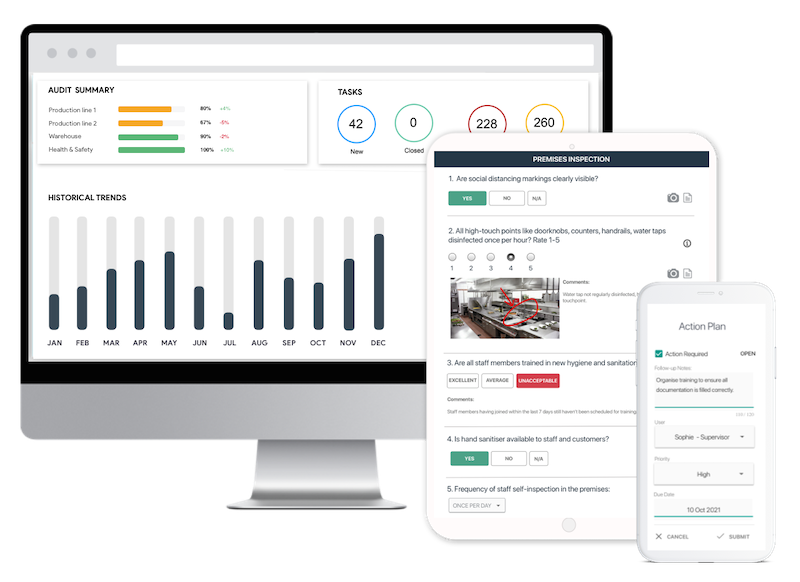
Easy inspection app for your digital checklists